


Last Updated: November 7, 2026
Quick Summary
An African safari and expedition cruise combination pairs a land-based safari with a small-ship voyage, and it works best when the safari comes first so you recover from long-haul flights and adjust to early game drives before boarding. Choose your safari window first, then select a cruise route that sails well in the same weeks.
- Southern Africa offers the cleanest pairing, with short regional transfers between safari regions and a coastal or river extension.
- East Africa pairs a Kenya or Tanzania safari with the Indian Ocean islands of Seychelles, Madagascar, or Zanzibar.
- A trip of roughly two weeks suits one safari region plus a focused cruise segment; three weeks allows two safari areas and a full cruise.
- A full night in the embarkation city is a sensible buffer rather than a same-day connection from a bush flight.
- Expedition ships are generally small and prioritize landings and wildlife access over onboard scale.
Table of Contents
- Why Pair an African Safari With an Expedition Cruise
- Building Your African Safari and Cruise Itinerary
- The Best Time for an African Safari and a Cruise
- How African Safari and Cruise Duration Shape the Trip
- Safari and Cruise Trip Planning: Logistics, Transfers, and Preparation
- Start Your Safari and Cruise Trip Planning With Ethos
- Frequently Asked Questions
Why Pair an African Safari With an Expedition Cruise
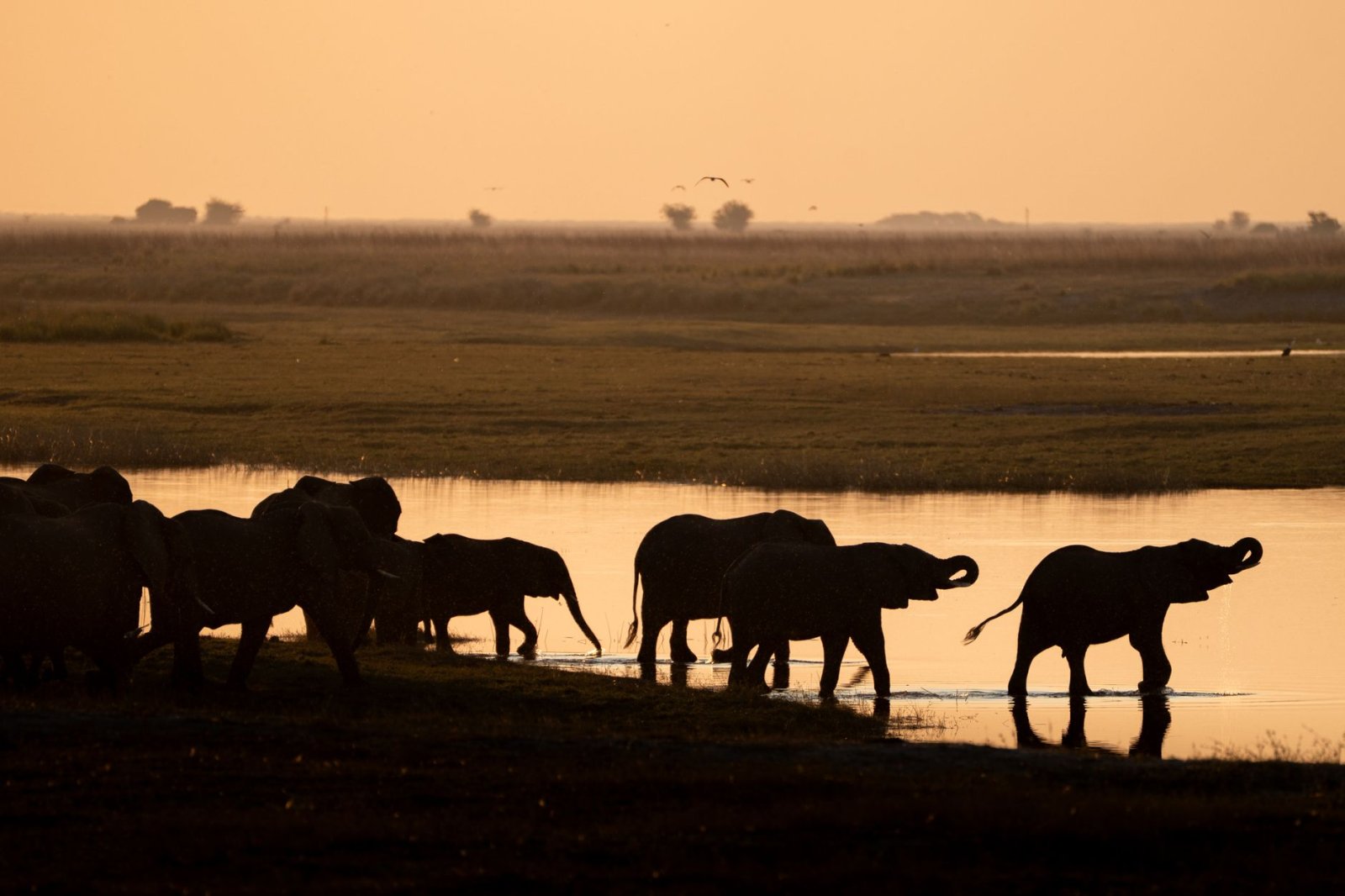
Dawn on the Chobe River arrives with a low mist and the sound of hippos moving through the reeds. A few days later, the same traveler might be stepping from a Zodiac onto an island beach. That contrast is what an African safari and expedition cruise combination delivers: two distinct rhythms folded into one journey. This guide sets out the planning sequence that makes the pairing work.
How the Two Halves of the Trip Differ
A safari is land-based and intimate. Days can center on game drives and guided walks, with unhurried afternoons at a lodge. An expedition cruise moves between regions aboard a small ship, with shore excursions and wildlife viewing from the water. One is rooted in a single game reserve; the other covers distance. Readers new to expedition cruising can explore tropical expedition cruise itineraries before committing to the combination. Together they answer two different questions: what lives here, and what lies beyond.
Who This Combination Suits
The pairing fits travelers who want depth without repetition. Couples marking a milestone, honeymooners extending a safari into the Indian Ocean, and multigenerational groups who need variety across a longer trip all benefit. It suits anyone who has done the package version of travel and wants a land-and-sea itinerary built around fit and pacing rather than a fixed schedule.
Building Your African Safari and Cruise Itinerary
An African safari and cruise itinerary works best when the land portion comes first. You recover from long-haul flights in one place, adjust to the rhythm of early game drives, then transition to the ship already rested.
Southern Africa: Safari First, Then the Coast
Southern Africa offers the cleanest pairing. A guided safari in South Africa, Botswana, Namibia, or Zimbabwe can flow into a coastal or river extension with relatively short regional transfers. Victoria Falls makes a natural hinge between the two halves, a short transfer from Chobe National Park, where the river itself becomes the game drive. Travelers drawn to the water can read more about a Botswana river cruise on the Chobe.
East Africa and the Indian Ocean Islands
East Africa pairs a Kenya or Tanzania safari with the Indian Ocean: Seychelles, Madagascar, or Zanzibar. Gorilla trekking in Uganda or Rwanda can anchor the land portion for travelers who want a wildlife encounter with real weight. A luxury traveler’s guide to gorilla trekking is a useful starting point.
When I trekked in both Bwindi Impenetrable Forest in Uganda and Volcanoes National Park in Rwanda, trackers had set out ahead of us from where the gorillas were last seen the day before, and two armed rangers walked with each group. I hired a porter, who pushed and pulled me up the steepest slopes, and hiring one also supports the local community and anti-poaching work. It is a full, physical day, which is one more reason to put the trek before a restful stretch at sea.
The Best Time for an African Safari and a Cruise
There is no single best month for an African safari and a cruise, only a best overlap for the specific pairing you have in mind. The planning skill is to choose the safari window first, because wildlife timing is fixed by nature, then select a cruise route that sails well in the same weeks. Departure ports and embarkation dates follow from that decision, not the other way around.
Safari Seasons by Region
Southern Africa runs on a dry-season calendar. In South Africa’s Kruger region and the private reserves bordering it, the dry winter months from roughly May through September thin the bush and pull wildlife toward water, which makes game viewing more consistent.
East Africa runs on a different clock. Kenya and Tanzania’s short dry window early in the year and the longer dry season mid-year bracket the migration’s movement across the Mara and Serengeti ecosystems.
Cruise Conditions by Route
Cruise routes have their own weather and sea-state calendars. Around Madagascar and the Mozambique Channel, the cyclone season generally runs from late in the year into early the following year, so island sailings are usually scheduled outside it. Southern Africa’s Atlantic coast is exposed and can be rough, which is one reason many combinations use a river segment on the Chobe or a sheltered coastal route rather than open-ocean sailing. Expedition departures along Africa’s coasts are limited and change from year to year, so confirm what is actually sailing in your window before fixing the safari dates.
Reconciling the Two Calendars
A common pattern is that the ideal safari month and the ideal cruise month overlap only partially. The cleanest combinations generally fall where a dry safari season coincides with calm coastal or river conditions.
Watch out: a trip built around a single fixed date can force one half of the journey into its weakest season. Building in a week of flexibility on either end is often what separates a well-paced combination from a compromised one.
How African Safari and Cruise Duration Shape the Trip
Trip duration shapes how considered or rushed the combination feels. A trip of about two weeks suits one safari region plus a focused cruise or river segment, which works well for couples and first-time combinations. Around three weeks allows two safari areas, a coastal or island stay, and a full small-ship itinerary, a length that suits honeymoons and milestone trips. Families and multi-country journeys often go longer still, adding an island lodge or an extended expedition route at the end.
Safari and Cruise Trip Planning: Logistics, Transfers, and Preparation
The connections between the two halves are where a combination is won or lost. A safari day ends with a game drive and a quiet dinner; a cruise day begins with a gangway and a briefing. The planning work is in the hours between them, and it is worth mapping that sequence before any dates are confirmed. A guide to managing complex luxury travel logistics covers the transfer and timing details in more depth.
A Realistic Transfer Sequence
Many combinations follow a land-then-sea pattern. A typical sequence can look like this: a long-haul arrival into a gateway city, a night to recover, a short regional flight to the safari region, several nights at a lodge, a light-aircraft or road transfer back to a hub, a connecting flight to the embarkation port, and a night in port before boarding.
Where the Connections Go Wrong
Remote game reserves are often served by light aircraft, and weather can affect those schedules. A slipped connection can affect an embarkation, which is why a full night in the embarkation city is a sensible buffer rather than a same-day connection.
Choosing the Right Cruise Format
The cruise half is not one product. Expedition ships are small by design and put landings and wildlife access ahead of onboard scale. River vessels suit a slower, more scenic pace. Mainstream ocean cruises typically offer more onboard amenities but fewer landing opportunities in wild regions. Matching the format to the safari region, rather than to the ship’s brochure, is what keeps the two halves coherent.
Practical Preparation
Preparation for a two-part journey covers two climates and several countries. Check current entry and health requirements for every country on the route through official sources, and confirm passport validity early. Pack for cool early mornings on game drives and warmer days at sea, and plan for connectivity that varies widely between a remote lodge and a ship at sea. Accessibility needs are worth raising early, since light aircraft and Zodiac landings have practical constraints.
Start Your Safari and Cruise Trip Planning With Ethos
Ethos founder Julie Prusak is an ASTA Verified Travel Advisor and CLIA Elite Cruise Counselor, and Ethos plans these journeys as a single itinerary, so the safari and the voyage are sequenced together rather than booked separately. Families weighing which reserves work for a group can start with our guide to luxury safari destinations for families. If you are still deciding which style of journey fits, the Find Your Signature Journey quiz is a useful place to begin.
When you are ready, start planning your journey and Ethos will build a safari and cruise combination around your dates, your pace, and the way you prefer to travel.
The challenge is not choosing between a safari and a cruise. It is sequencing them so neither feels like an afterthought.
Frequently Asked Questions
How do you combine an African safari with an expedition cruise?
Plan the land portion first, then match a sailing to its dates and departure port. An advisor can sequence lodges, internal flights, and embarkation so the handoffs stay short and the pace stays comfortable.
What is the best time for an African safari and a cruise?
Dry-season months are the classic window for game viewing in Southern and East Africa, when vegetation thins and wildlife gathers at water. Cruise routes have their own calendars: Indian Ocean crossings and island itineraries follow seasonal winds and calmer seas. The overlap between the two is what makes or breaks a combined trip, so confirm both calendars before you lock dates.
How many days should you allow for an African safari and cruise duration?
Most travelers do well with two to three weeks in total. A trip of that length can leave room for regional transfers and a buffer night before embarkation. Longer itineraries suit travelers adding a second safari region or a few days at an island lodge. Ethos can advise on timing once your priorities are clear.
Which African regions pair well with an expedition cruise?
Southern Africa and East Africa both work. A safari in South Africa, Botswana, Namibia, or Zimbabwe can connect to Indian Ocean sailings or a coastal departure, while Kenya and Tanzania pair with island routes in the Seychelles, Madagascar, and Zanzibar. An advisor can match the region to the cruise line whose style and pace fit yours.

Next Post
Previous Post


