


Last Updated: November 13, 2026
Quick Summary
Slow travel is letting a journey unfold at a human pace, with fewer destinations, longer stays and open time for what matters most. For a milestone anniversary, it gives couples room to talk, notice things together and feel the celebration belongs to them. Ethos can build itineraries this way, with fewer hotel changes and days with nothing scheduled.
- Build the first twenty-four hours around arrival, not excursions, so the body adjusts first.
- Alternate one active day with one slower day to keep energy in reserve.
- Place marquee experiences in the middle of the trip, not the low-energy opening days.
- Keep transfers short, direct and scenic where possible.
- Include at least one unscheduled afternoon to let the trip breathe.
Table of Contents
- What Slow Travel Means for a Milestone Anniversary
- Why Immersion in Local Culture Changes the Trip
- Reducing Travel Fatigue So You Can Actually Enjoy the Day
- Slow Travel for Couples: Time, Attention and Shared Pace
- Milestone Anniversary Trip Ideas Built on a Slower Pace
- How Long to Spend in One Destination
- Building a Slow Travel Itinerary That Still Feels Flexible
- Planning Your Anniversary Slow Journey With Ethos
- Frequently Asked Questions
What Slow Travel Means for a Milestone Anniversary
Picture the first morning of a trip that was planned around a milestone: the light coming up slowly over a harbor, no alarm, no hurry to be anywhere. Slow travel is the decision to let a journey unfold at a human pace, with fewer destinations, longer stays, and time left open for the moments that matter most on an anniversary.
For a milestone such as a twenty-fifth or fiftieth anniversary, the appeal is straightforward. A trip that moves at a relaxed pace gives a couple room to talk, to notice things together, and to feel that the celebration belongs to them rather than to a checklist. Ethos can arrange itineraries built this way, with fewer changes of hotel and more days that have nothing scheduled at all.
Slow travel is not the same as doing less for its own sake. It means choosing fewer places and staying in each one long enough to settle into it.
Why Immersion in Local Culture Changes the Trip
Immersion in a place tends to change what a trip is remembered for. A few days in one coastal town, with time to eat at the same family-run restaurant twice and learn the rhythm of its market, often leaves a stronger impression than a week of rapid sightseeing across several cities.
For a milestone anniversary, that depth matters. Couples celebrating a long marriage often want the trip to feel personal, and local culture provides material that no brochure can supply: a conversation with a winemaker, a cooking class in a home kitchen, a morning walk through a neighborhood before the tour buses arrive.
Experiences can be shaped around the interests of the couple, whether that means cuisine, music, history, or quiet landscapes. The aim is not to collect cultural landmarks but to let the place reveal itself over several days.
Reducing Travel Fatigue So You Can Actually Enjoy the Day
The first sign of a well-paced anniversary trip is not the view from the suite. It is the absence of that flat, foggy feeling that settles in after a red-eye, a long transfer, and a schedule that started before the body caught up. Fatigue is the quiet thief of celebration: it flattens appetite, shortens tempers, and turns a long-awaited dinner into an early night.
Slow travel treats fatigue as a design problem rather than a character flaw. The mechanism is simple. Every change of hotel, every early departure, and every packed day draws on the same reserve of energy, and a milestone trip needs that reserve for the moments the couple actually came for. Fewer moves and more settled days protect it.
The arrival day deserves the most attention. Building the first twenty-four hours around arrival rather than excursions lets the body adjust before the celebration begins. Our review of six Oberoi hotels in India looks closely at what a well-run hotel does in the first thirty minutes of a stay, which sets the tone for everything after.
Pacing across the trip matters as much as the arrival. A useful rhythm is one active day followed by one slower day, with the slower day holding nothing more demanding than a long breakfast and a walk. On a two-week anniversary trip, that rhythm leaves room for the signature experiences without stacking them back to back.
Watch out: the most common planning error is front-loading the itinerary, packing the first three days with the experiences the couple is most excited about. That is precisely when energy is lowest and the celebration most fragile. Put the marquee moments in the middle of the trip, after the body has adjusted and the pace has settled.
Transfers between stops are the other hidden drain. A slow itinerary keeps them short, direct, and, where possible, scenic: a coastal drive rather than a connecting flight, a private car rather than a group coach with multiple pickups. Sometimes the transfer becomes part of the experience, as our post on arriving by boat at The Oberoi Udaivilas explains.
Sleep is part of the logistics, not an afterthought. A property with blackout curtains, a quiet wing away from the bar, and a bed the couple has actually chosen rather than been assigned does more for the next day than any scheduled activity.
The point is not to do less. It is to spend energy where it returns something: a long dinner, a conversation that runs past midnight, a morning with nowhere to be. A trip built this way ends with the couple rested rather than depleted, which is its own kind of anniversary gift.
Slow Travel for Couples: Time, Attention and Shared Pace
Slow travel gives a couple something that busy itineraries rarely allow: attention to each other. When the day is not divided into timed tours, there is space for unplanned conversation, for disagreeing about where to walk next, and for noticing what the other person is enjoying.
For anniversaries, this shared pace is often the real gift. A trip that protects long unhurried breakfasts and evenings without a reservation lets the couple reconnect in a way that daily life seldom permits.
The pace should suit both partners. One may want an active morning and a quiet afternoon, while the other prefers the reverse. A well-built slow itinerary leaves room for both preferences, with one shared experience each day and independent time when it is wanted.
Milestone Anniversary Trip Ideas Built on a Slower Pace
Several trip styles lend themselves to a slower approach. A river journey through a single region lets travelers unpack once and watch the landscape change gradually. A stay of ten days or more at one coastal resort, with a single excursion per day, can feel restorative without feeling idle.
Other options include a small-ship cruise that calls at few ports, an extended stay in a European city with day trips only when they are wanted, or a safari camp where each day follows the animals rather than a timetable. Each suits a different couple, and the best choice depends on how the anniversary should feel.
These styles can be compared by season, comfort, and how much movement the couple wants. Specific properties and departures change regularly, so current details are confirmed with an advisor rather than assumed.
How Long to Spend in One Destination
Most slow travel guides answer this question with a number. The more useful answer is a framework: the right length of stay depends on what the anniversary is for, what kind of place the couple has chosen, and how much of the trip they want to spend settling in versus moving on. For a milestone, that framework matters more than any single guideline.
A practical starting point is that a destination needs enough time to move past arrival logistics before it can give anything back. For many places, three to four nights covers one full day of exploration, one slower day, and a return to a favorite spot. That is the floor, not the target. For a milestone trip, longer stays tend to pay off because the celebration benefits from rhythm: the same breakfast table, the same walk, the same host who remembers how the couple takes their coffee.
A more useful way to choose is to match stay length to the milestone theme. Couples marking an anniversary around reconnection often do best with a single base for a week or more, with one signature experience and the rest of the days open.
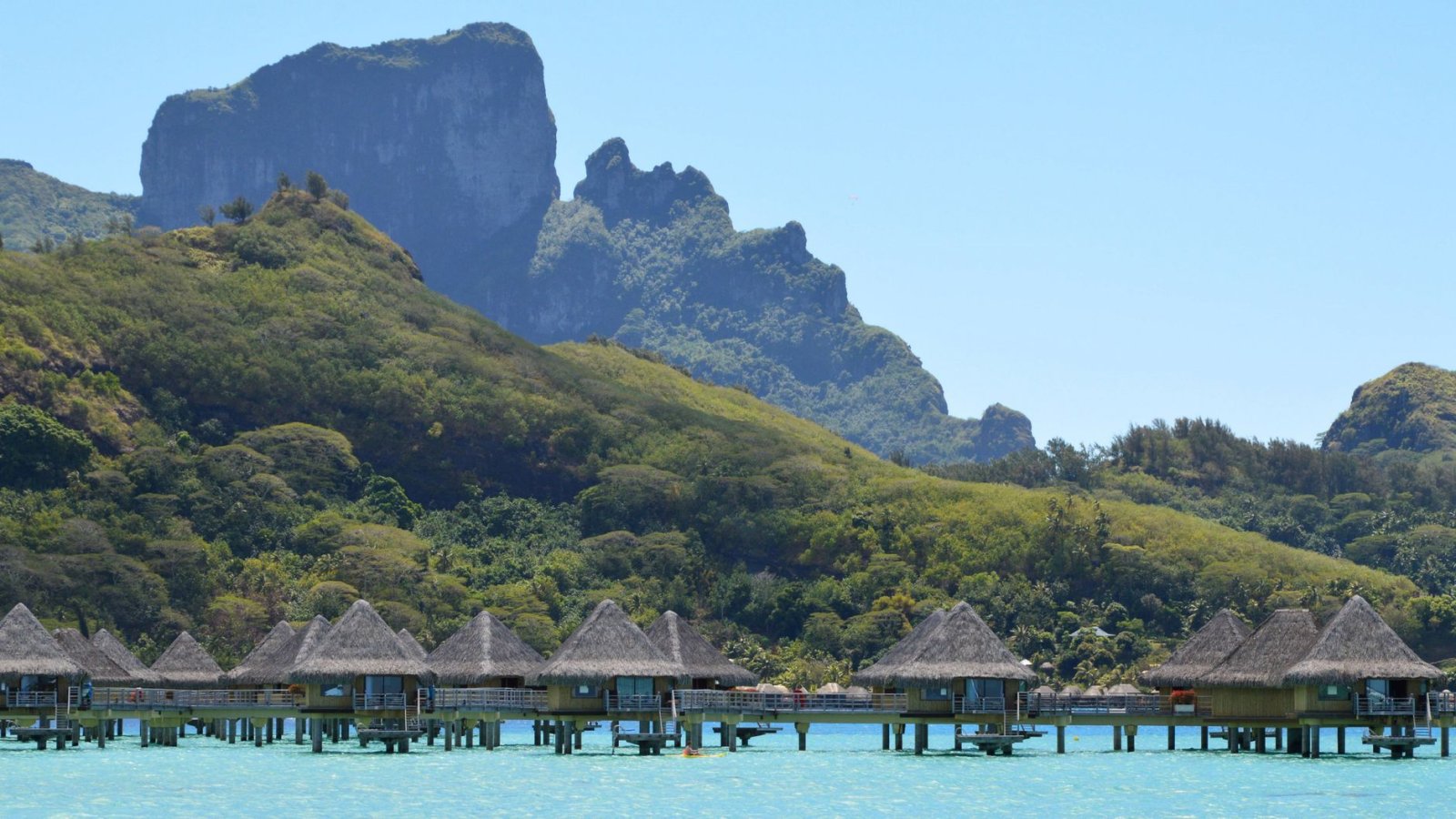
For my 60th birthday, my husband, Conrad, and I spent a night each on Tahiti and Moorea, then five nights in an overwater villa at The St. Regis Bora Bora, looking out at Mount Otemanu. Settling into one base let the days hold a snorkel trip with sharks and stingrays, a catamaran sunset sail, and dinner by boat at Bloody Mary’s without any of it feeling rushed. A birthday is not an anniversary, but the lesson carries over: the heart of the celebration was those five nights in one place.
Destination type shapes the number as well. On a river journey, the length of the sailing itself sets the pace, because travelers unpack once while the scenery changes. A small-ship cruise trades the depth of a single base for the rhythm of the water, and the right length depends on how many sea days the couple actually wants.
Watch out: the most common mistake is treating a long stay as automatically slower. A week in one place with a full excursion schedule is not slow travel; it is a busy trip with a single hotel. The stay length only delivers its benefit when the days inside it are paced.
Shorter stays still have a place, particularly on a first visit to a region where the couple wants to sample before committing to a return. Couples weighing a long voyage against a shorter stretch of one can read our comparison of a world cruise versus segments. The right balance depends on travel pace, distance between stops, and how much the couple wants to settle in.
For a milestone, the question to ask is not how many nights a destination deserves but how many nights the celebration needs. Working backward from the purpose of the trip, then setting a minimum stay for each base, does more for the pace of an anniversary journey than any other planning decision.
Building a Slow Travel Itinerary That Still Feels Flexible
A slow itinerary is not a rigid one. The goal is to build a framework with clear anchors, such as a confirmed arrival, one signature experience, and a departure that allows an unhurried morning, then leave the days between open enough to adapt to weather, mood, and discovery.
A practical approach follows a few steps:
- Define the purpose of the anniversary, whether it is romance, reflection, family, or celebration.
- Choose one or two destinations and set a minimum stay for each.
- Identify one signature experience per destination that is worth planning in advance.
- Leave at least one unscheduled day per week.
- Confirm transfers that keep travel between stops short and comfortable.
- Review the plan with an advisor to check timing, season, and property details.
Flexibility is protected by planning fewer commitments, not by planning none. A good advisor can hold the structure while leaving room for spontaneous choices once the couple is on the ground.
Planning Your Anniversary Slow Journey With Ethos
Planning a milestone trip at a slow pace involves many decisions that are easier to make with an experienced advisor. Ethos works with couples to define the purpose of the trip and the pace they want, and our guide to celebrating milestones with personalized travel shows what that planning looks like.
Ethos founder Julie Prusak is an ASTA Verified Travel Advisor, and Ethos is affiliated with Travel Edge. Where a couple wants to explore a particular type of journey, such as a small-ship cruise or a multi-week itinerary, Ethos can present the options and explain how each fits a slower way of traveling, including upgrades or added experiences when available.
Couples who want to begin with a sense of their travel style can take the Find Your Signature Journey quiz. For a conversation about a specific anniversary, start planning your journey with Ethos, and an advisor will outline a plan that marks the milestone at the pace you have in mind.
Frequently Asked Questions
What does slow travel mean for a milestone anniversary?
For a milestone anniversary, slow travel means choosing fewer destinations and staying long enough in each to settle into the place. Instead of moving daily between hotels, a couple spends several nights in one location, lets mornings open without a schedule, and builds the trip around a few meaningful experiences. The aim is a trip that feels like a shared chapter rather than a checklist. Ethos can help shape the pace so the celebration feels considered rather than rushed.
How many days should a milestone anniversary trip last?
There is no single correct length, but a slow-paced anniversary trip usually benefits from at least seven to ten days, with one or two bases rather than many. Longer stays reduce travel fatigue and give the couple room for unplanned moments. Shorter trips can still feel unhurried if they focus on one region. A length can be chosen based on your dates, your energy levels and how much time you want to spend on the water or on land.
Which destinations suit a slow-paced anniversary?
Destinations with depth rather than breadth suit a slow-paced anniversary best. Europe’s river and coastal regions, Southern Africa’s safari camps, French Polynesia’s overwater settings and expedition destinations such as Norway and Alaska all reward a longer stay. The right choice depends on the season, the couple’s comfort with physical activity and the kind of celebration they want. Options can be compared on fit and pace.
Is a cruise a good choice for a milestone anniversary?
A small-ship or river cruise can be a good choice for a milestone anniversary because the ship becomes a base that moves gently between places, so unpacking happens once. Larger ships can feel busy, so ship size, pace and itinerary style matter more than the brand name. Couples who want time to explore on foot often prefer itineraries with later departures and overnight stops. Lines are compared by fit rather than reputation.


