


Filed in Featured Destinations — October 19, 2026
Tigers in the Rain: The Honest Case for Ranthambore in Monsoon
What Ranthambore’s monsoon season really offers, what it takes away, and the honest odds on seeing a tiger in the buffer zones.
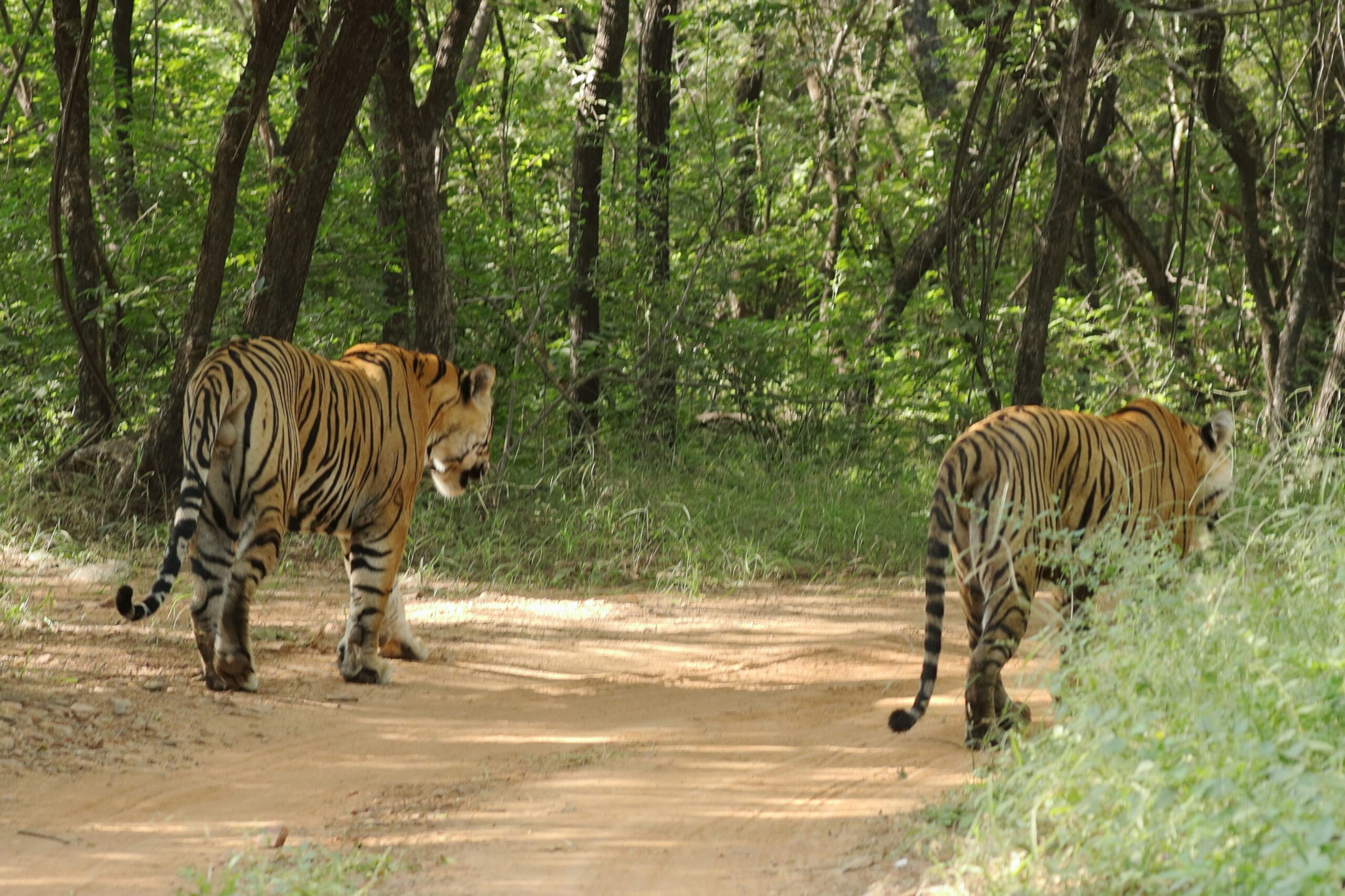
We didn’t see a tiger.
I want to say that first, because most safari writing buries it, or never admits it at all. We spent two nights at Ranthambore in early September, drove into the reserve through the rain, and came home without a single tiger photograph. We found a fresh track. We never found the tiger.
I’d still send the right traveler in monsoon. Here’s why, and who that traveler is.
The monsoon closure nobody explains well
Every year, Ranthambore’s core zones (1 through 5, home to the famous lakes and the classic fort-and-water sightings) close from July 1 through September 30. It’s a national directive for the breeding season and for the safety of tracks that turn to mud. The main gate reopens October 1.
During the monsoon, only the buffer zones, 6 through 10, operate. They have genuine tiger activity, but historically lower sighting rates.
That’s manageable. It just has to be said out loud, before your first drive, not after.
What happened on our drives
The rain arrived with us: four hours on the road from Jaipur, and a reserve so wet that one zone closed the day before we got there. Our morning drive was switched from Zone 6 to Zone 7 after rain damaged the track.
The forest was full of news. A tigress with two cubs, perhaps two or three months old, had been reported around Zones 6, 7 and 9. Rain washes away scent marks, so tigers walk the roads more to re-mark their territory (in theory, good for sightings). We followed alarm calls and fresh signs with a guide who clearly knew the animals, and found a tiger’s track in the mud.
We didn’t find the tiger. We did see a peacock open its full fan in the rain, and a forest greener than any photograph of Rajasthan I’d ever seen.
What monsoon gives you
- Green instead of dust. The winter and spring palette is tan. In September the forest is lush and the backgrounds photograph beautifully.
- Full lakes and streams, and birdlife at its best.
- Far fewer vehicles. No jams around sightings, no jostling.
- A quieter lodge. At The Oberoi Vanyavilas, the evening naturalist talk and the observation tower over the buffer zone felt like private experiences.
What it takes away
- The classic sightings. The lakes and fort backdrops made famous by Machli and her line are in the closed core zones.
- Odds. You are betting on buffer zones. Some travelers will be fine with that. Some won’t be, and they should come another month.
- Certainty. Tracks wash out, zones get swapped, roads flood. Our fort visit was closed on day one and open on day two.
Honest field notes, every Friday. I write Weekly Wanderlust for travelers who’d rather hear the real story before they book: what a season is actually like, and who a place suits.
The fort is your insurance
Ranthambore Fort sits inside the reserve, high above the lakes, and it doesn’t depend on tiger luck. It’s a Chauhan fort, part of the UNESCO Hill Forts of Rajasthan. Its most famous ruler, Hammir Dev, held it until 1301, when Queen Rangadevi led the women of the fort in jauhar rather than surrender. The Trinetra Ganesh temple inside the walls is among the oldest Ganesha temples in India and still receives wedding invitations by mail.
It’s about forty-five minutes’ walk each way, not steep, but with no railing on one side and macaques that steal hats and loose bags. In monsoon green, it’s the best photograph of the stay.
What to bring on a monsoon safari
- Your passport, for every drive. It’s required for park entry each time.
- A real camera. Phones are no longer permitted in core zones. (See No Phones in the Jeep.)
- Closed shoes, a rain layer and camera covers. Monsoon tracks are muddy and the drives get genuinely wet.
Behind the scenes, there’s a short list of things we request from the ground team and the lodge on every Ranthambore booking, from zone confirmations to how the evenings are set up. That’s the kind of detail we arrange for clients.
Who should go in monsoon, and who shouldn’t
Go in monsoon if you’ve done a tiger safari before, you’re a photographer who wants green, you love birds, or you’re combining Ranthambore with a Rajasthan trip that has to happen in September.
Wait if this is your first (and possibly only) tiger safari. Come October to February for comfort, or March to May, when heat draws tigers to water and sightings peak.
Ranthambore in monsoon: quick answers
Is Ranthambore open during the monsoon?
Partly. The core zones, 1 to 5, close from July 1 through September 30. The buffer zones, 6 to 10, stay open, and the main gate reopens October 1.
Can you see tigers in Ranthambore in September?
You can, because the buffer zones have genuine tiger activity, but the odds are historically lower than in season. We didn’t.
When is the best time for tigers in Ranthambore?
March to May, when the heat draws tigers to water. October to February is the most comfortable weather and the peak season.
The takeaway
A good advisor doesn’t promise a tiger. We promise to put you in the right zone, in the right season, with the right guide, and to tell you honestly when the odds aren’t in your favor.
More from this trip: No Phones in the Jeep, on India’s new safari rules; The First Thirty Minutes, on what the Oberoi gets right in India; and, for the Jaipur leg, What to Wear at Amber Fort.
Want the next one? Weekly Wanderlust is my Friday letter: where I’ve been, what I’d book, and what I’d skip.
Planning India for 2027?
Disclosure: I traveled as a guest of this trip’s partners at trade rates, and I may earn a commission when clients book.
Photo by Lakshmi Narasimha on Unsplash
Next Post
Previous Post


